Madeira Cafés & Bakeries
Where to get good coffee and pastries in Madeira: specialty roasters around Funchal's centre and Sé district, traditional pastelarias for warm pastéis de nata and queijadas, and bakeries serving bolo do caco, Madeira's flat sweet-potato bread, split and slathered in garlic butter. A growing remote-work scene means most central cafés now have reliable Wi-Fi and power sockets.
Cafés and bakeries worth a stop in Madeira, espresso, bolo do caco, pastéis and the slow-morning spots locals actually sit at.
Last verified by Mike McCabe, on the island. 4 venues checked, hours, closures and prices re-confirmed before publication.
Own a café on Madeira?
Add your place, free, editor-verified. Or claim an existing listing to keep its details up to date.
Funchal
4 places
Café do Teatro
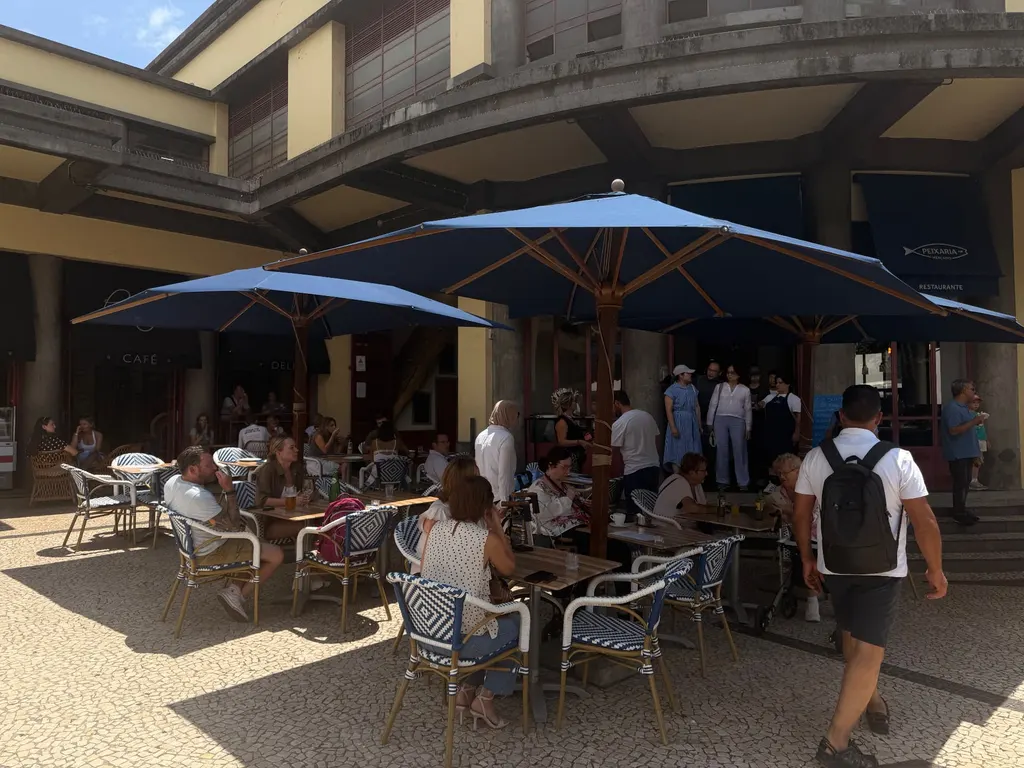
FunchalBelle-époque café tucked into the courtyard of Funchal's Baltazar Dias municipal theatre, outdoor tables under jacaranda trees, full espresso menu and small bites. A locals' meeting point since the 1970s.
Pastelaria Penha d'Águia
Funchal, São MartinhoClassic Funchal pastelaria, bolo de mel, pastéis de nata, queijadas and a constant queue of locals at the counter. Stop for traditional Madeiran pastries in the centre.
Pátio das Babosas
Monte (above Funchal)Outdoor café and Portuguese restaurant at the top of the Monte cable car, beside the Largo das Babosas, espresso, a glass of Madeira wine, full plates and the famous toboggan riders launching just below.
Jasmin Tea House
Funchal, São GonçaloQuiet tea house in the hills above Funchal, leaf teas, homemade cakes, vegetarian quiches and a terrace garden looking down over São Gonçalo. A calm alternative to the Old Town's busier cafés.
Specialty coffee in Funchal
Madeira's specialty coffee scene has grown fast since 2022, driven partly by the digital-nomad influx and partly by a handful of serious local roasters. The cluster sits in Funchal's centre, around Rua dos Ferreiros, Rua da Carreira and the Sé cathedral, where you'll find single-origin pour-overs, proper flat whites and oat-milk options that didn't exist on the island five years ago. The old-school Viennese-style cafés on Avenida Arriaga (think marble tables, waiters in waistcoats, a cortado and a slice of bolo de mel) sit a block away from the new wave, and both are worth a morning. Most central cafés open by 8:00, close around 19:00, and have stable Wi-Fi and power sockets; the remote-work crowd is part of the regular morning trade.
Bolo do caco, the island's daily bread
Bolo do caco is Madeira's signature bread, a flat, soft, slightly sweet disc made with mashed sweet potato, traditionally baked on a hot basalt stone (the caco) rather than in an oven. It's served warm, split horizontally and stuffed with garlic-and-parsley butter (manteiga de alho), and accompanies almost every meal on the island, from a quick street snack to the bread basket at a sit-down dinner. The best bolo do caco is bought from a working bakery or street kiosk rather than a restaurant: Câmara de Lobos, Machico and the Mercado dos Lavradores in Funchal all have proper specialists, and a fresh one wrapped in greaseproof paper costs €1.50–€2.50. It also turns up stuffed with prego(steak), tuna steak, or chouriço as a beach lunch, the island's answer to a sandwich.
Pastelarias & traditional pastries
The pastelaria is the social heart of every Madeiran town, somewhere between a bakery, a café and a community living room. The morning order is a bica (espresso, €0.80–€1.20) or a galão(milky coffee in a tall glass, €1.50) with a pastel de nata still warm from the oven and dusted with cinnamon. Beyond the nata you should try a queijada, the small, sweet, cheese-based tart that is one of Madeira's most underrated local pastries, and a broa de mel, a dense honey-and-spice biscuit that keeps for weeks and travels home well. Bolo de mel, the dark, dense black sugar-cane molasses cake studded with nuts and citrus peel, is the Christmas speciality but sold year-round; it's traditionally torn by hand rather than cut, and pairs well with a glass of Madeira wine.
The digital-nomad café cluster
Funchal is one of Europe's better-value remote-work bases (see our digital nomad guide) and the café scene has adapted accordingly. The most laptop-friendly cluster sits around Rua dos Ferreiros and the side streets behind the Sé, a 5-minute walk reaches a dozen cafés with reliable fibre Wi-Fi, table sockets, and staff who don't mind a three-hour stay if you keep ordering. The harbour-side spots on Avenida do Mar are better for short coffees than half a day of focused work, beautiful but noisy, with cruise-ship surge in season. Co-working spaces sit alongside this café cluster and most offer day passes around €15 if you need monitors or quiet calls.
What to order, and when
Coffee in Madeira follows mainland Portuguese conventions: a bica or café is an espresso, a meia de leite is half coffee half hot milk in a cup, a galão is the same in a tall glass, and an abatanado is a long black. There is no real local equivalent to the cappuccino, order one and you'll get a passable but unloved version. Mornings are for coffee and pastries; afternoons are for poncha or a small beer with a tosta mista (ham and cheese toastie). Most pastelarias close by 19:00, for evening dessert you're in restaurant territory.