MadeiraInfo

Madeira travel tips for first-time visitors

The practical stuff a local wishes every visitor knew before landing — when to go, how to move around, where to base yourself, and the small habits that keep the trip smooth.

In one paragraph

Rent a car for at least part of the trip, aim for May–June or September–October, base yourself in Funchal with 2–3 nights on the north or west coast, check the forecast per parish (not "Madeira"), respect red beach flags and mountain weather, and eat where locals eat — Zona Velha for dinner, mountain villages for lunch. Everything else is bonus.

When to go

The two sweet-spot windows are late April to mid-June and mid-September to late October: stable weather, warm sea, thin crowds, hotels at fair prices. July and August are the warmest but Funchal fills with cruise traffic and short-let prices peak. November to March is mild but the north coast is often wet — great for hiking, quiet for prices, less for beach time.

Full month-by-month weather · Every month's guide

Getting there

Cristiano Ronaldo airport (FNC) sits 20 minutes east of Funchal. Direct flights from most of western Europe; a change is usually needed from the US and Asia. From the terminal use the Aerobus 500 to Funchal (about €6), a taxi (~€25 flat), Bolt, or pick up your rental at the airport — the fastest option if you're driving from day one. See our getting to Madeira guide and airport transfer breakdown.

Getting around & driving

Hire a car for the days you plan to explore. The VR1 expressway runs the length of the south coast; a network of 150+ free tunnels connects the north. Roads are steep, narrow in villages, and the tunnels dump you into bright daylight suddenly — take the first day slow. Fuel is cheaper than mainland Portugal, tolls don't exist, and parking in Funchal centre is metered and tight (use the underground garages).

Madeira car hire guide · Driving in Madeira · Buses, taxis, Bolt

Where to stay

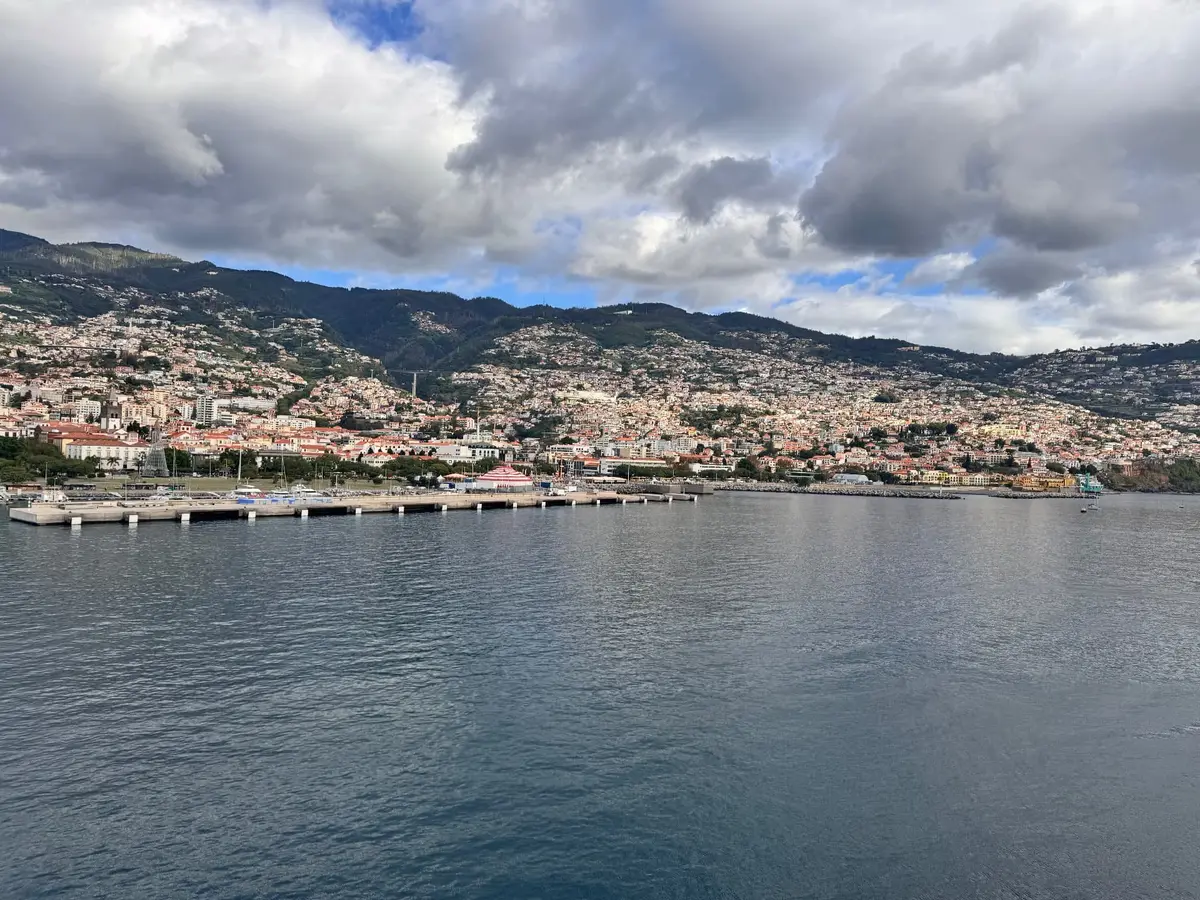
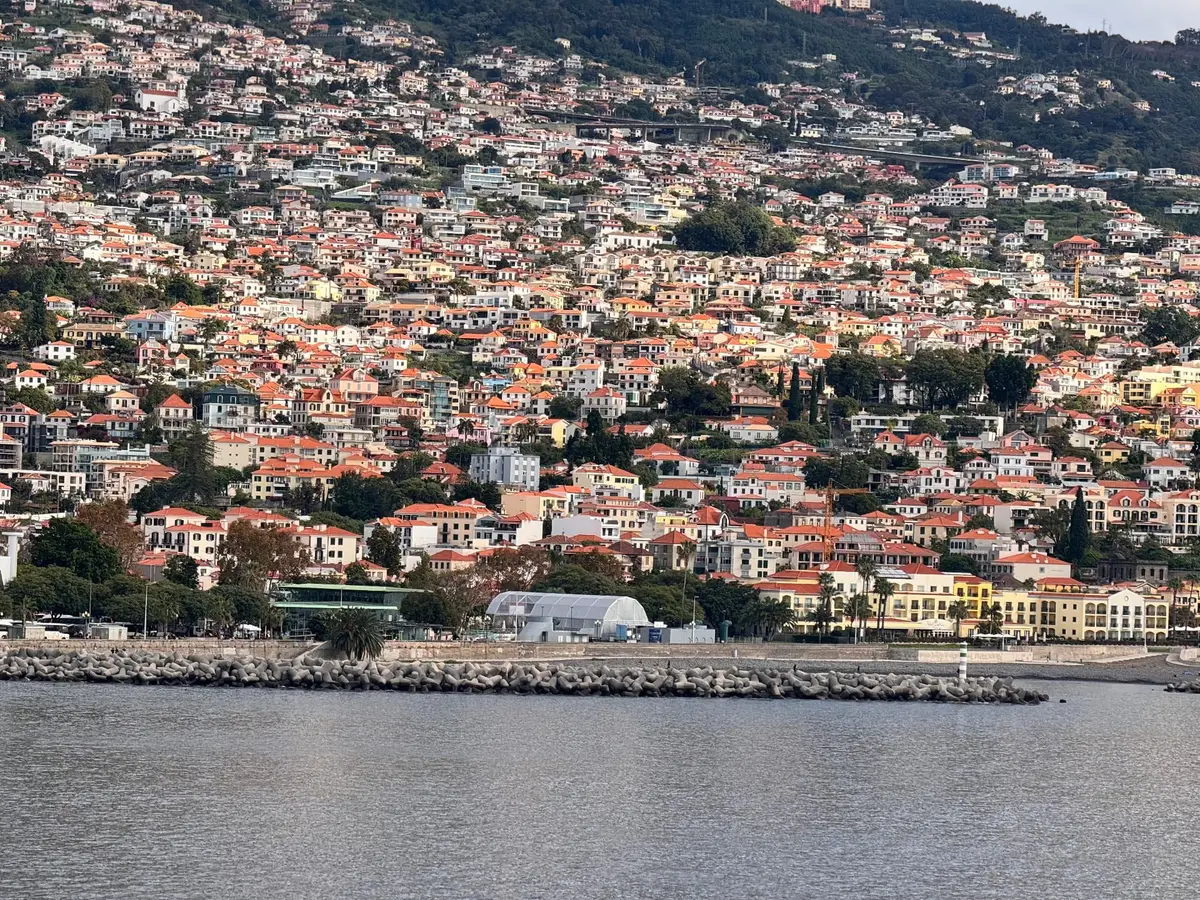
Base most of the trip in Funchal for restaurants, the harbour and quick access to the south coast. Câmara de Lobos gives you the same access from a quieter fishing town 15 minutes west. For sun, base in Calheta or Ponta do Sol. For the dramatic north, split 2–3 nights in São Vicente or Porto Moniz — it cuts driving time in half for north-coast hikes.

Where to stay in Madeira, by region

Money & tipping

Euro (€). Cards work everywhere including small cafés and taxis. Tip 5–10% for good restaurant service, round up the fare for taxis, keep €1–€2 coins for public toilets and parking meters. ATMs are widely available (Multibanco); most accept international cards without huge fees.

Weather & microclimates

Madeira's weather is not one weather — the south coast can be sunny and 23 °C while the north is fogged in and the peaks are in cloud. Check the forecast for your specific parish, not just "Madeira". If the south is overcast, drive to the north (or vice versa) — often it's clear on the other side. Above 1,500 m expect it to be 10 °C cooler than sea level year-round.

Live weather by parish

Hiking & levadas

Madeira's headline experience. Wear proper shoes (levada edges are wet and slippery), bring water and a headlamp for the tunnel walks, and start early to beat both heat and crowds on the popular PR routes. Some official trails (PR1, PR1.2, PR6, PR9) now require a small paid ticket booked in advance — check the IFCN site before you go.

All walks & levadas · Live trail conditions

Beaches & the sea

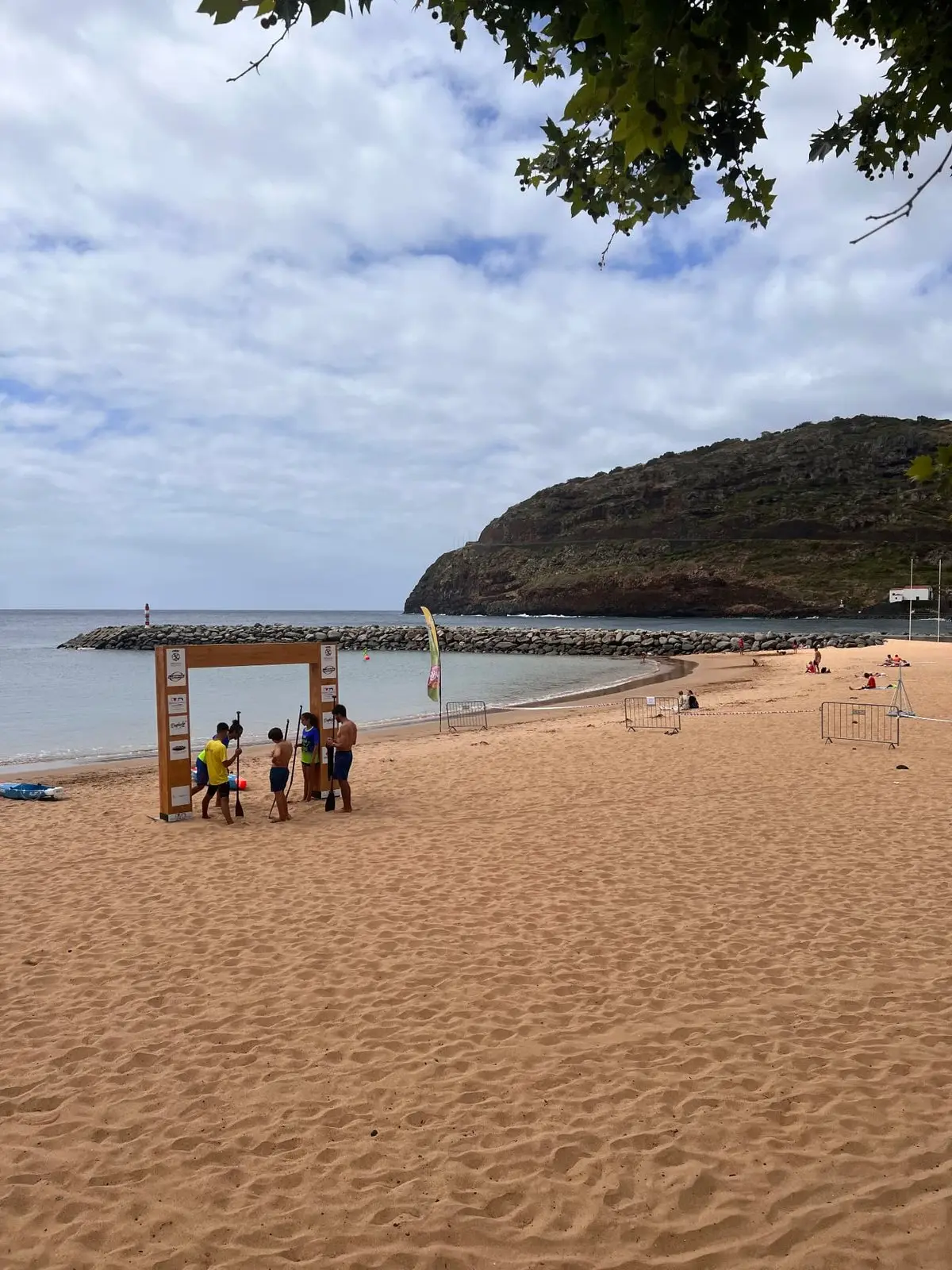
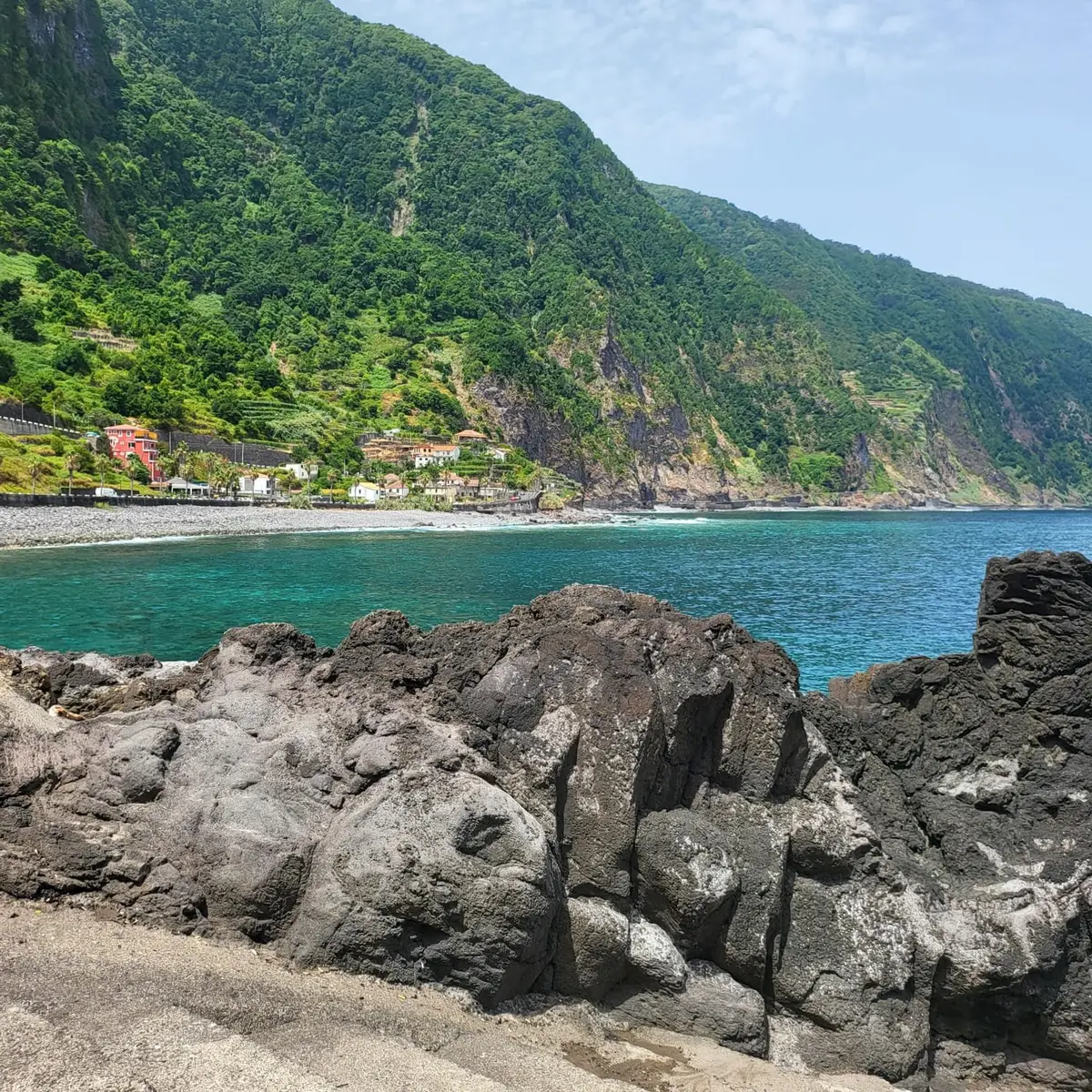
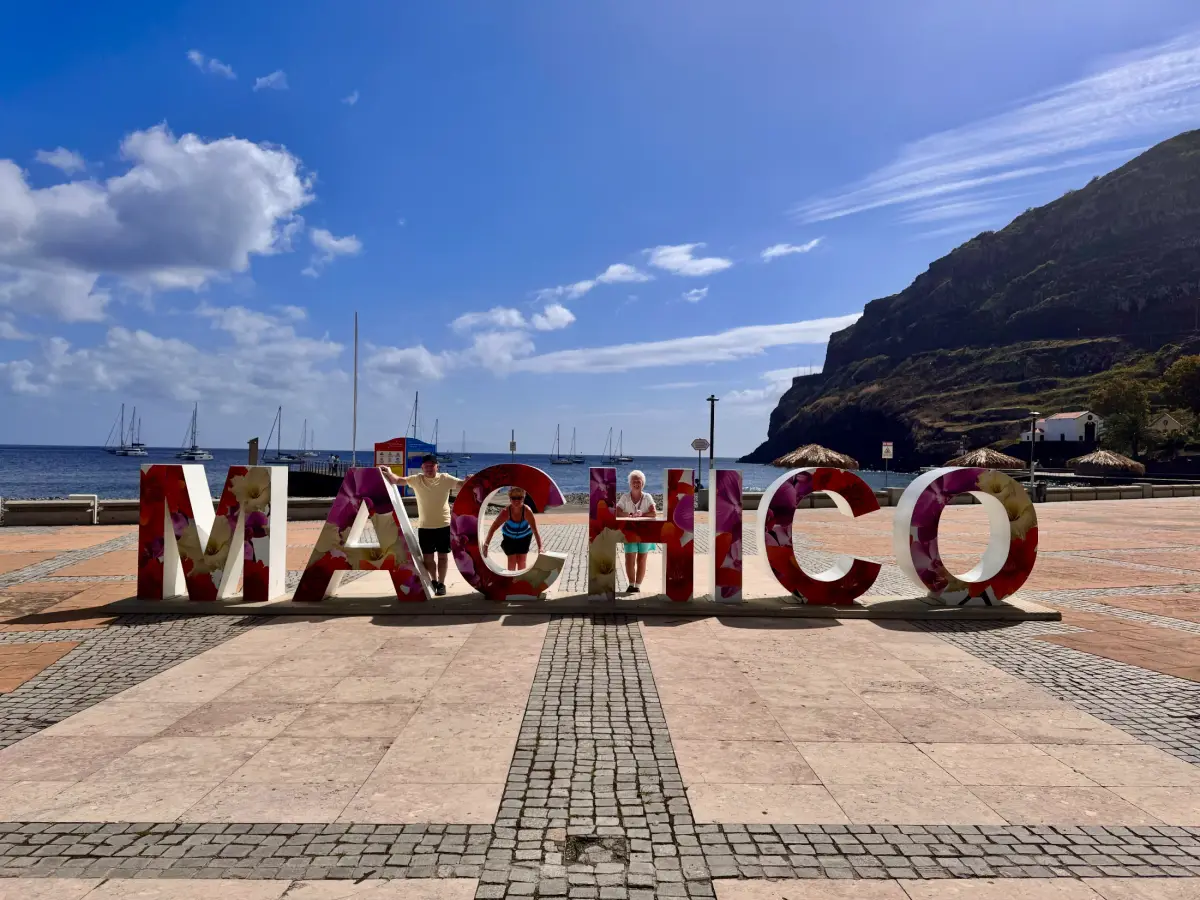
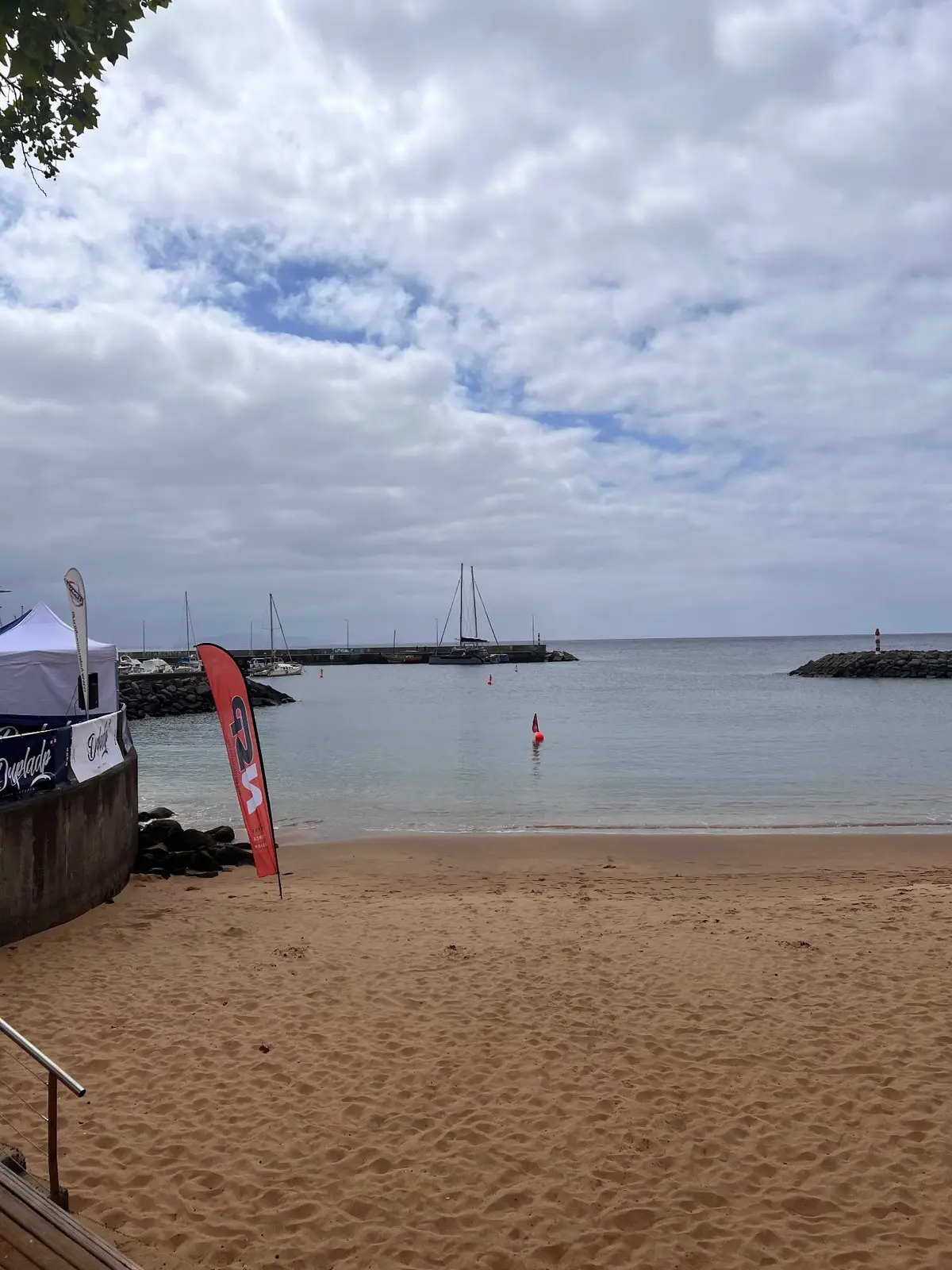
Most of Madeira's shore is basalt rock or pebble. For imported golden sand, head to Calheta or Machico. For volcanic-rock swimming, Porto Moniz natural pools and Doca do Cavacas are excellent on calm days. Never swim on the north coast under a red flag — Atlantic swells here are unforgiving.

Every swimmable spot on the island

Eating & drinking

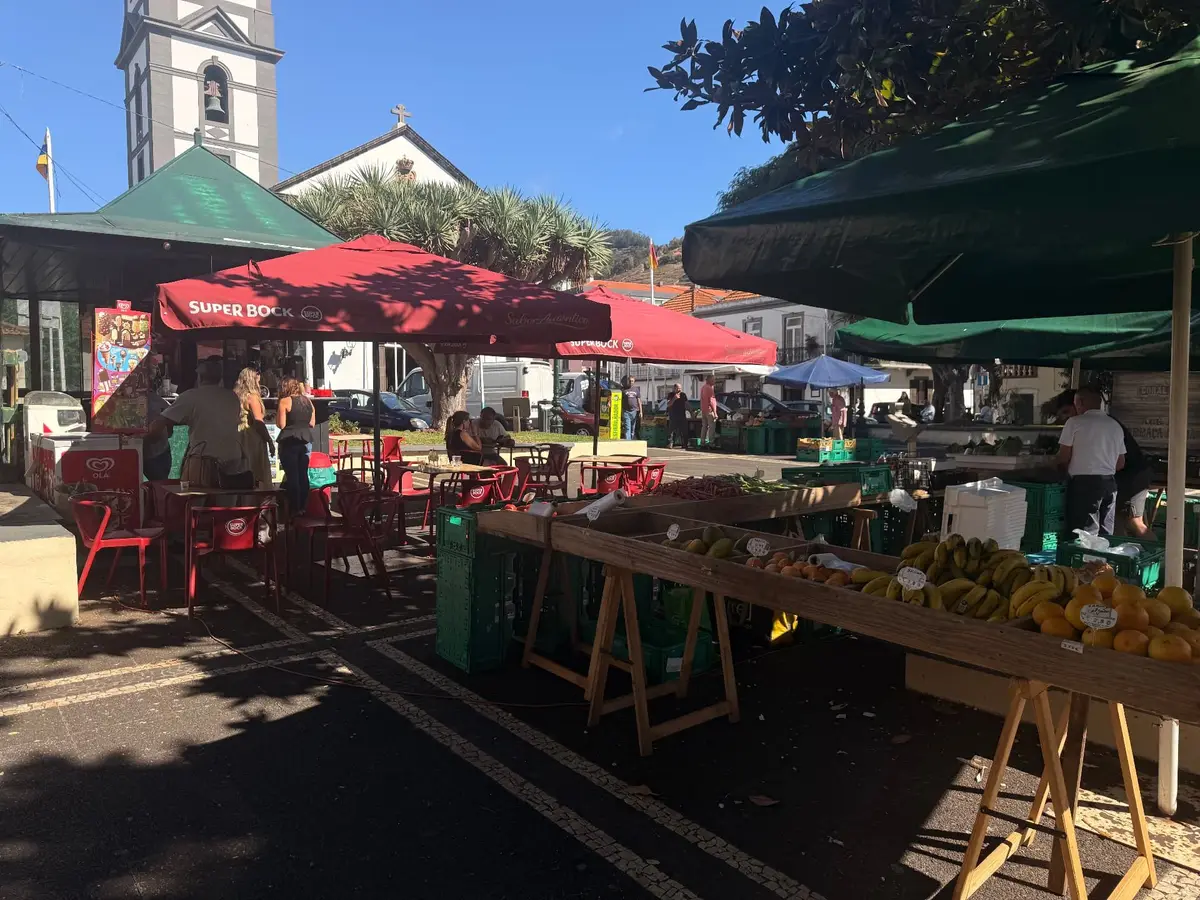
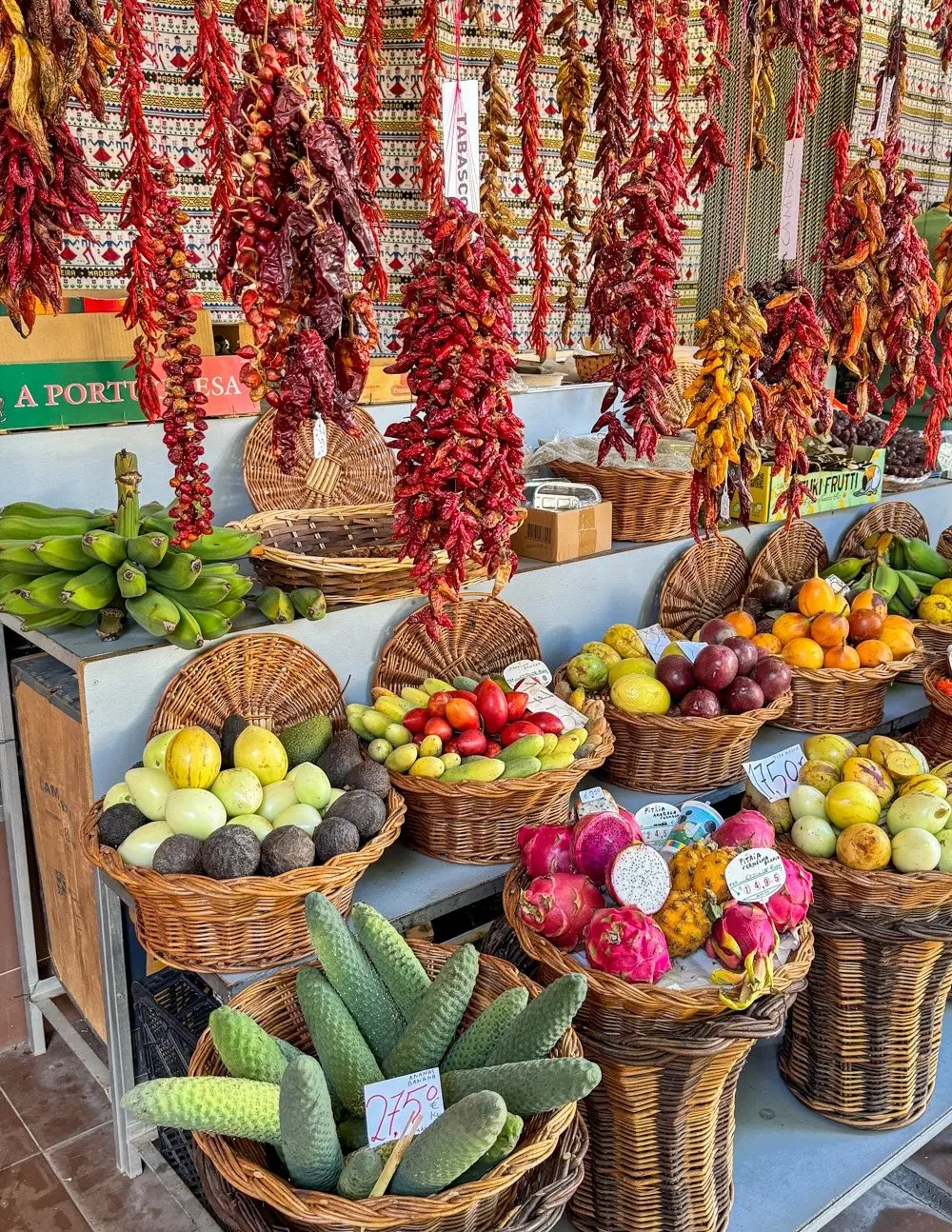
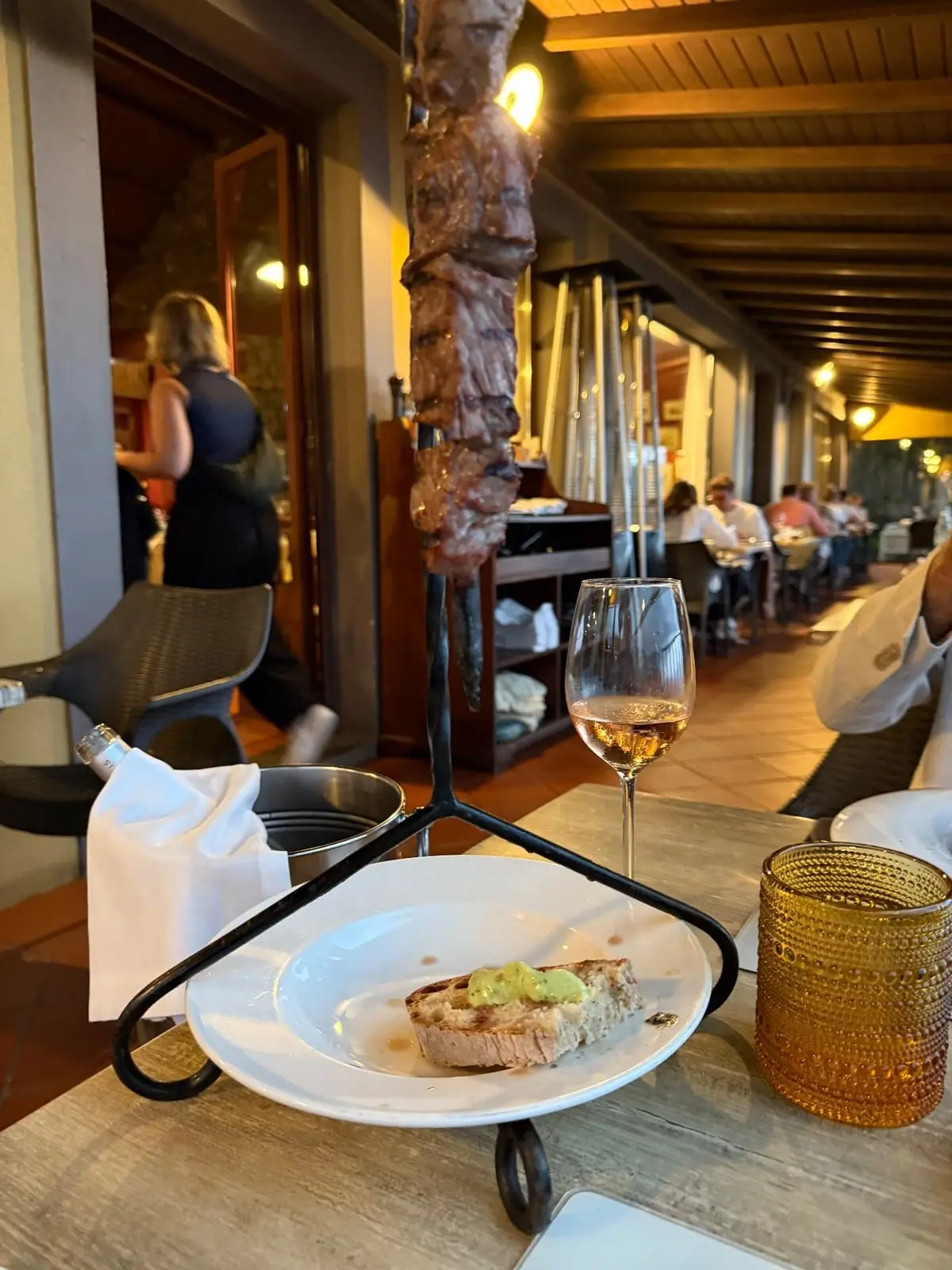
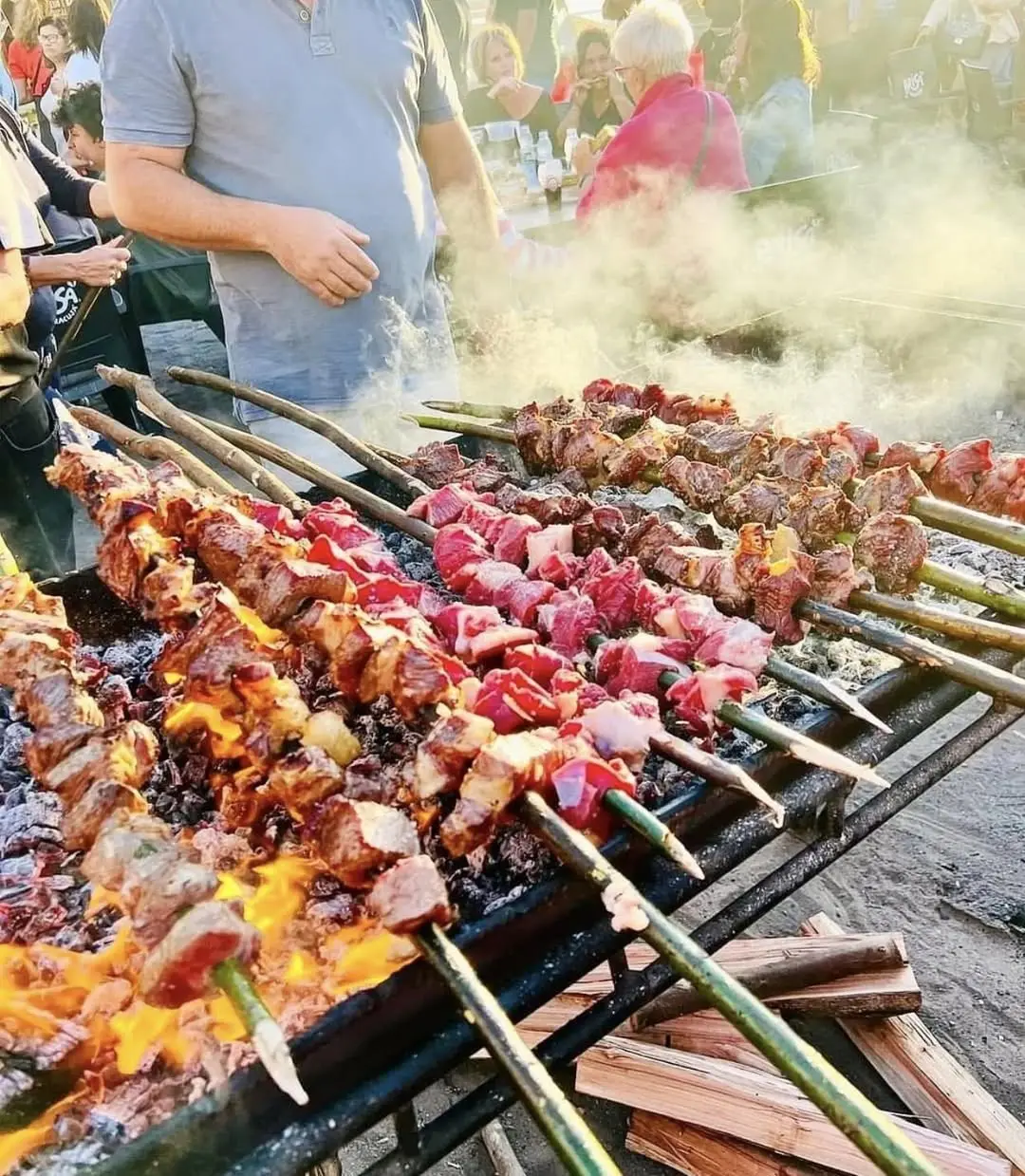
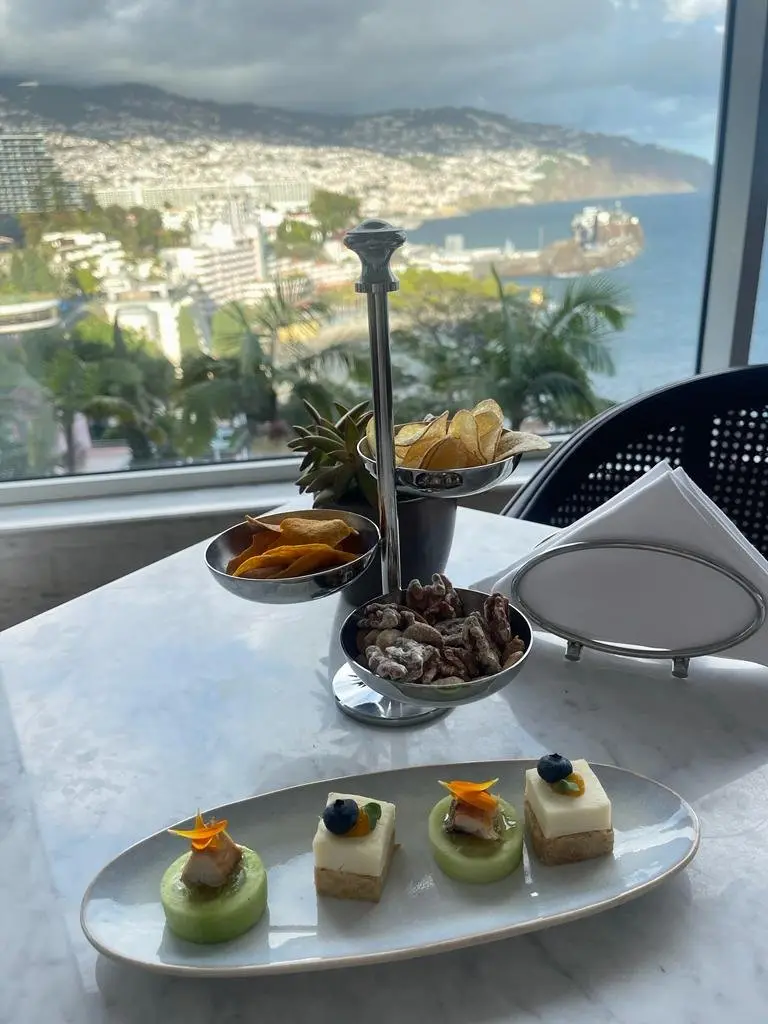
Book dinner in Funchal in high season, especially in Zona Velha. Expect espada com banana (scabbardfish with fried banana), espetada (beef skewers) and bolo do caco (garlic flatbread). Poncha is the local spirit — strong, order the traditional not the tourist version. House wine is fine everywhere; a proper Madeira wine tasting at Blandy's or Pereira d'Oliveira is worth the €15–€25.

Safety & small habits

Madeira is very safe — but pay attention to sea and mountain conditions. Respect red beach flags. Check weather before high-ridge hikes; conditions change in an hour. Carry a light jacket even in summer if you're going above 1,000 m. Keep a copy of your passport and rental agreement on your phone. Emergency number is 112, English-speaking operators available.

Common questions

What should first-time visitors to Madeira know?

Book a hire car for at least half your trip — the island's best moments are outside Funchal and buses are too slow to reach the north coast and the trailheads. Base yourself in Funchal for city and south coast, then add 2–3 nights in the west (Calheta / Ponta do Sol) or north (São Vicente / Porto Moniz) to cut driving time. May–June and September–October give the best weather without peak crowds.

How many days do you need in Madeira?

Five to seven days is the sweet spot. Under four days forces hard tradeoffs between hiking, Funchal and the coast. Ten days lets you add Porto Santo, a slow west-coast day and a proper look at the east.

Do you need a car in Madeira?

Yes for anything outside Funchal. Public buses are fine for the city and short south-coast trips, but reaching trailheads, viewpoints, Fanal and the north coast without a car costs almost as much in taxis or Bolt as a rental would. A hire car pays for itself by day two.

Is Madeira safe?

Yes — one of the safest destinations in Europe. Low petty crime, well-marked trails, reliable taxis. The real hazards are Atlantic swell on the north coast (respect red flags) and fast weather changes on the high ridges — check the forecast the morning of any peak hike.

Is Madeira expensive?

Cheaper than the Algarve or the Canaries. A mid-range double room is €70–€120, a full meal with wine is €18–€30 per person, hire cars start around €25/day, and most viewpoints, beaches and trails are free.

What currency is used in Madeira?

Euro (€). Card payments are accepted everywhere, including small cafés. Keep €10–€20 in coins for parking meters and the small toboggan / cable-car add-ons.

Is English spoken in Madeira?

Widely, in hotels, restaurants, shops and by younger locals. Older people in mountain villages may only speak Portuguese; 'obrigado' (thank you) goes a long way.

What is the best area to stay in Madeira?

Funchal for first-timers — best restaurant scene, easy walking, central for day trips. Câmara de Lobos for a quieter base 15 minutes west. Calheta or Ponta do Sol for the sunniest microclimate. São Vicente or Porto Moniz for the wild north coast.

Plan the rest of your trip